


CNC (Computer Numerical Control) precision machining is a pivotal technology in modern manufacturing, offering unparalleled accuracy, efficiency, and versatility. This technology has revolutionized industries such as aerospace, automotive, electronics, and medical devices by enabling the production of complex parts with high precision. In this article, we will delve into the myriad advantages of CNC precision machining and how it benefits various sectors.
CNC precision machining is renowned for its ability to produce parts with exceptional accuracy and tight tolerances. The technology uses computer-aided design (CAD) and computer-aided manufacturing (CAM) software to control machine tools, ensuring that each part is produced to exact specifications. This level of precision is crucial for industries where even the smallest deviations can lead to significant issues, such as in aerospace and medical device manufacturing.
Key Points:
· High Tolerance Levels: CNC machines can achieve tolerances as tight as ±0.001 inches, making them ideal for producing intricate and complex parts.
· Consistency: Once programmed, CNC machines can replicate the same part with consistent quality and precision, reducing the risk of human error.
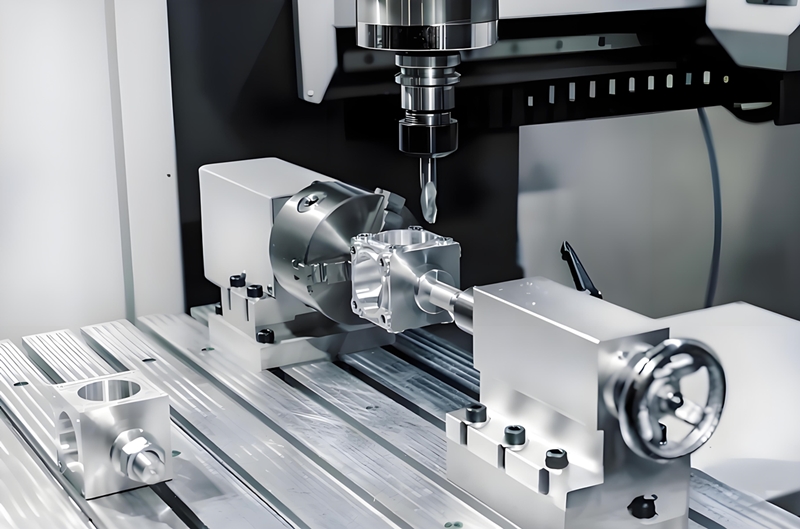
CNC machining significantly enhances production efficiency. The automation of the machining process means that once the machine is programmed, it can run unattended, allowing operators to focus on other tasks. This leads to higher throughput and reduced production times.
Key Points:
· Automation: CNC machines can operate 24/7 with minimal supervision, increasing overall productivity.
· Speed: The integration of high-speed machining capabilities enables faster production cycles, reducing lead times for complex parts.
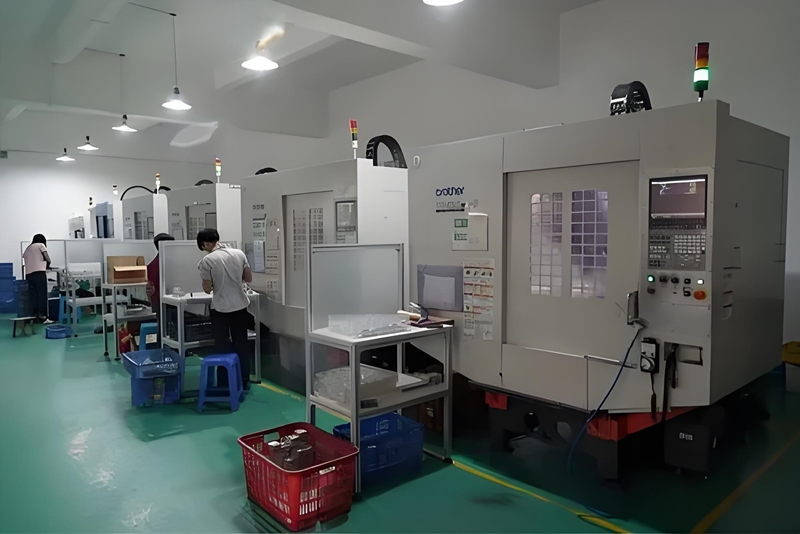
CNC precision machining is highly versatile, capable of producing a wide range of parts from various materials. Whether it’s metals like aluminum and stainless steel, or plastics like Delrin and ABS, CNC machines can handle it all. This flexibility makes CNC machining suitable for both prototyping and full-scale production.
Key Points:
· Material Variety: CNC machines can work with metals, plastics, composites, and even advanced materials like titanium and Inconel.
· Complex Geometries: CNC machining can produce complex shapes and intricate details that would be challenging or impossible with traditional machining methods.
While the initial investment in CNC machines can be significant, the long-term cost savings are substantial. The automation and precision of CNC machining reduce waste and rework, leading to lower overall production costs. Additionally, the ability to produce parts in-house reduces the need for outsourcing, saving time and money.
Key Points:
· Reduced Waste: Precise material removal minimizes waste, leading to cost savings on raw materials.
· Lower Labor Costs: Automation reduces the need for manual labor, lowering production costs.
CNC machining enhances workplace safety by minimizing human intervention in the machining process. The automated nature of CNC machines means that operators are not exposed to the hazards associated with manual machining, such as sharp tools and heavy machinery.
Key Points:
· Reduced Risk: Automation keeps operators away from dangerous moving parts and sharp tools.
· Safety Features: Modern CNC machines are equipped with advanced safety features, including automatic shut-offs and emergency stop buttons.
CNC precision machining offers excellent scalability, making it suitable for both small-scale production and large-scale manufacturing. This scalability ensures that businesses can easily ramp up production to meet increasing demand without compromising on quality.
Key Points:
· Prototyping to Production: CNC machining is ideal for rapid prototyping as well as mass production, providing flexibility to adapt to changing production needs.
· Consistent Quality: High precision and repeatability ensure consistent quality across large production runs.
 8619169854258
 +86-769-89308850